The best mattress topper for side sleepers
Side sleepers need a topper that cushions the shoulder and hip enough for the spine to stay level. That means a soft-to-medium feel and usually 3 inches of thickness, not a firm surface.
Our value pick is the Sleepyhead Super: 3 inch medium-soft memory foam that contours deeply, with a trial period, and side sleepers are exactly who it is built for.
Our organic pick is the PlushBeds latex topper in Soft or Medium: cooler, longer-lasting, and the better call for heavier side sleepers who would sink through soft foam.
Your body weight moves the answer more than anything else. This is comfort guidance, not medical advice.
We may earn a commission if you buy through the links on this page. How we make money
Our top picksHow we picked
We are a research desk, not a lab, so this is not a hands-on test. Side sleeping sets a clear target: the topper has to let the shoulder and hip sink far enough that the spine stays roughly level, without letting a heavier sleeper bottom out onto the mattress.
We judged toppers on how well they cushion those pressure points, on temperature and durability, and on the honesty of their fine print, using each brand’s verified specifications and published lab testing where it exists. We make no medical claims about hip or shoulder pain.
The two picks
One leads on deep cushioning and value, the other on organic materials, cooling and support for a heavier frame. Pick by your weight and what you care about, not by the star number.
Best for pressure relief on a budget
Sleepyhead Super Topper
3 inch, medium-soft, Twin XL to King, gel and copper-infused memory foam
From $379 (Super), $299 (Gel)
Side sleepers land almost all their weight on the shoulder and hip, so the topper has to give there to keep the spine level.
Sleepyhead's 3 inch medium-soft memory foam contours to do exactly that, and side sleepers are the buyer it is built for. Sleep Foundation also rates the Super 4 out of 5 for temperature control, the best in the line.
Add a 100-night trial, corner straps, a non-slip base and a washable cooling cover, all for less than latex, and it is the easy value pick.
Keep in mind: It is built for side sleepers up to about 230 lbs; above that you compress it and start to feel the mattress underneath, so size up to a denser layer. Memory foam also sleeps warmer than latex, even with the cooling cover.
Best for: Side sleepers under about 230 lbs who want deep cushioning and a trial period, especially on a hard dorm, guest or RV bed.
Key specifications
| Material | Gel and copper-infused memory foam |
|---|---|
| Firmness | Medium to soft |
| Thickness | 3 inch (2 inch in Twin XL only) |
| Sizes | Twin XL to King |
| Trial | 100-night trial |
| Warranty | 5 years on the foam only; cover 6 months |
Best organic, and for heavier side sleepers
PlushBeds Organic Latex Mattress Topper
Soft or Medium latex for side sleepers, 3 inch, Twin to Cal King, GOLS-certified Dunlop organic latex
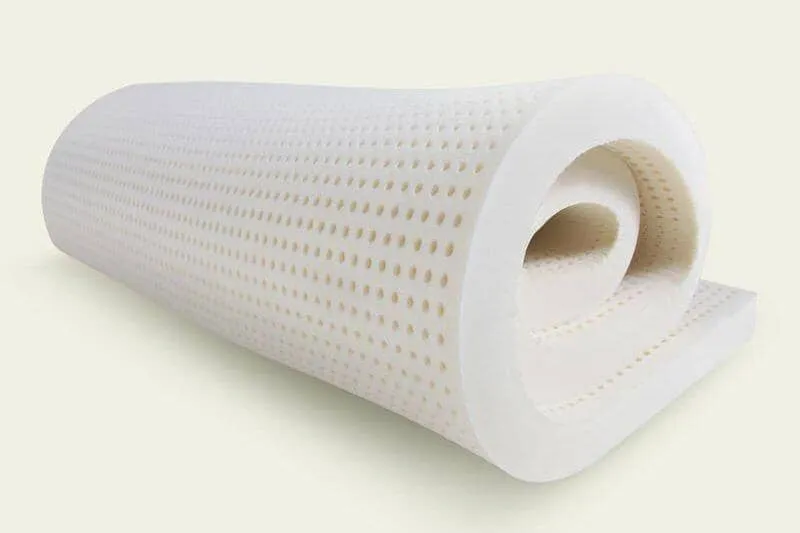
From $284 (3 inch Twin), queen from $417
For side sleepers who want organic materials, a cooler sleep and a topper that lasts, soft or medium Dunlop latex is the pick.
It contours enough for shoulder and hip pressure while staying more supportive than foam, sleeps cooler, and does not develop the slow foam sink.
It also solves the problem the Sleepyhead cannot: heavier side sleepers, who need a firmer, denser layer so they do not bottom out. A medium latex holds you up where soft foam gives out.
The materials back that up: certified organic Dunlop latex, handmade in the USA, a 5 year warranty and a lifespan PlushBeds puts at up to 20 years. Choose Soft if you are lighter, Medium if you are heavier or want more support under the hip.
Keep in mind: It is non-returnable (you can only cancel before it ships), so the firmness choice has to be right the first time. Latex also contours less deeply than memory foam, so it feels slightly less plush right at the shoulder.
Best for: Side sleepers who want organic, cooler and longer-lasting, and heavier side sleepers who need more support than soft foam gives.
Key specifications
| Material | 100% GOLS-certified Dunlop organic latex |
|---|---|
| Firmness | Soft or Medium for side sleepers (five options total, ILD 14 up to 42 or 44; the brand’s two tables differ) |
| Thickness | 3 inch recommended for side sleepers (also 2 inch) |
| Sizes | Twin to Cal King |
| Warranty | 5 years (lifespan up to 20 years, per PlushBeds) |
| Returns | Non-returnable; cancel before shipment for a full refund |
Thickness and firmness by weight
Side sleepers have the widest head-to-mattress gap of any sleep position, so they need the most topper to fill it. Weight then decides how soft you can go before you sink too far.
That is why weight decides the pick as much as brand: soft memory foam or soft latex cushions a lighter side sleeper beautifully, while a heavier side sleeper is better served by a denser medium latex. The full grid, across every sleep position, is the RestVerdict topper-fit framework.
Who should choose differently
- Back and stomach sleepers. You want less topper and more firmness, not the soft, deep feel side sleepers need. Our back pain guide and the firm topper guide are the better start.
- Anyone with a sagging mattress. A soft topper on a sagging bed makes side sleeping worse, because you and the foam sink into the dip together. Fix the mattress first.
- Hot sleepers set on foam. Memory foam sleeps warm; if that is a dealbreaker, the latex pick is the cooler side-sleeper option.
Others we considered
Sleepyhead Gel Topper. Same 3 inch medium-soft build, same washable CoolTech cover and straps, around $80 less at every size, without the copper layer. It would cushion a side sleeper much the same way our value pick does.
We left it off the list because Sleep Foundation rated it 3 out of 5 for temperature control against 4 for the Super, and memory foam already runs warm under a shoulder that stays put all night. If the saving matters more, our full Sleepyhead review puts the two side by side.
Firm and extra-firm latex. The same PlushBeds topper is sold up to ILD 42 or 44 (its two tables differ), and we considered pointing heavier side sleepers there. We stopped at Medium: past that the shoulder stops sinking, which is the one thing side sleeping needs. Firm latex belongs on a too-soft bed, not under a side sleeper.
Common questions
How thick should a mattress topper be for side sleepers?
Three inches is the usual sweet spot. Side sleepers have the widest gap between the shoulder, hip and mattress, so they need enough topper to sink into and keep the spine level. A 2 inch topper suits lighter side sleepers, or anyone who only wants a small change. Heavier side sleepers should stay at 3 inches and pick a denser material so they do not bottom out.
Should side sleepers get a soft or firm topper?
On the softer side, but supported. The shoulder and hip need to sink enough that the spine stays level, which a too-firm topper prevents. Most side sleepers do best with a soft to medium feel: soft memory foam or soft latex for lighter people, medium latex for heavier people who would otherwise sink too far. Firm and extra-firm toppers are the wrong direction here.
Is memory foam or latex better for side sleepers?
Memory foam contours more deeply, so it gives the plushest pressure relief right at the shoulder, which is why our value pick is a memory foam topper. Latex contours a little less but is more supportive, sleeps cooler and lasts longer. Choose foam for the deepest cushioning on a budget, and soft or medium latex for organic materials, cooling, durability or a heavier frame.
What is the best topper for heavier side sleepers?
A thicker and denser one. Heavier side sleepers compress a soft, thin topper and end up feeling the hard mattress through it. A 3 inch medium latex holds you up better than soft memory foam, which is why we point heavier side sleepers to the latex pick rather than the softer foam. The goal is still a level spine, just with more support underneath to get there.
Can a topper help with hip or shoulder pain from side sleeping?
We talk about comfort and pressure, not treatment. A topper that lets the shoulder and hip settle so the spine stays roughly level is more comfortable for many side sleepers, and that is the honest claim. Persistent hip or shoulder pain is a medical question for a healthcare professional, not something a bedding page should diagnose or promise to fix.